
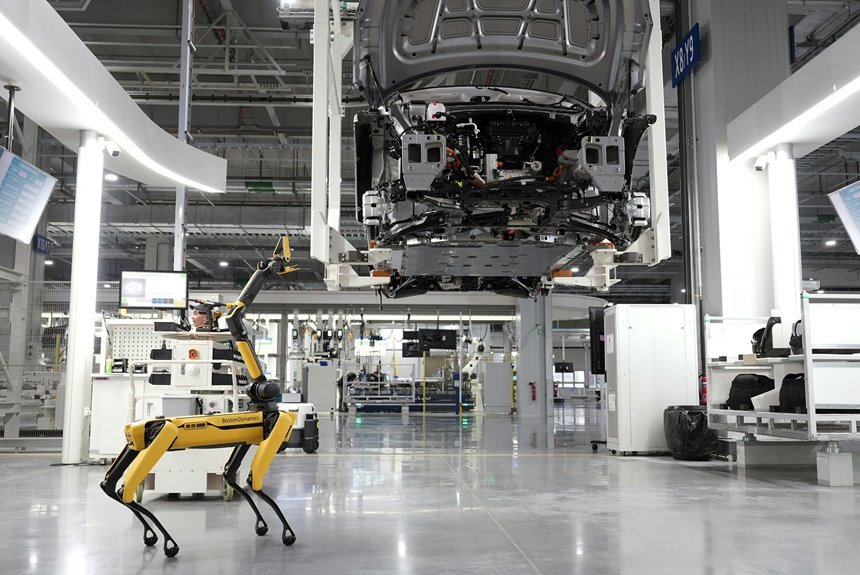
The Smart Automation System 665594300 demonstrates notable performance through its ability to measure efficiency and identify productivity gaps. Its advanced integration features promote connectivity across diverse devices, optimizing operational processes. Businesses can leverage detailed cost analyses to uncover savings, thus enhancing revenue potential. However, the system’s implications on future automation trends remain to be explored, raising questions about its long-term impact on organizational competitiveness.
Key Features of Smart Automation System 665594300
The Smart Automation System 665594300 exemplifies advanced technological integration within modern automation solutions.
Its user interface is designed for intuitive navigation, enhancing user experience and accessibility.
Moreover, the system’s robust integration capabilities allow seamless connectivity with various devices and platforms, facilitating a cohesive automation environment.
This combination of features underscores its commitment to efficiency, flexibility, and user empowerment in automation processes.
Real-World Applications Driving Business Success
How effectively can businesses leverage smart automation systems to enhance operational efficiency and drive growth?
Organizations are increasingly utilizing these systems to elevate customer engagement while achieving operational excellence. For instance, automated customer service platforms streamline responses, fostering satisfaction.
Additionally, data-driven insights derived from automation empower businesses to make informed decisions, ultimately leading to improved processes and increased revenue potential, thereby supporting sustained competitive advantage.
Performance Metrics: Efficiency and Cost Savings
Measurable performance metrics serve as critical indicators for businesses leveraging smart automation systems, particularly in assessing efficiency and cost savings.
Efficiency benchmarks provide a framework for evaluating operational performance, enabling companies to identify productivity gaps.
Additionally, comprehensive cost analysis reveals potential savings, guiding decision-makers in optimizing resource allocation and enhancing overall financial performance.
Ultimately, this fosters a culture of continuous improvement and operational excellence.
Future Trends and Innovations in Automation Technology
As businesses increasingly rely on smart automation systems to drive efficiency and cost savings, attention is turning towards future trends and innovations that promise to further enhance these technologies.
Machine learning and predictive analytics are poised to revolutionize automation, enabling systems to anticipate needs and optimize processes autonomously.
This evolution could lead to unprecedented operational flexibility and strategic decision-making capabilities, empowering organizations to thrive amidst complexity.
Conclusion
In conclusion, the Smart Automation System 665594300 exemplifies the transformative potential of automation in business operations. With organizations reporting an average 20% reduction in operational costs after implementation, the system highlights the tangible benefits of automation. As companies increasingly adopt such advanced technologies, the focus on efficiency, productivity, and continuous improvement will likely drive further innovations in the field. This trend underscores the necessity for organizations to stay agile and competitive in an ever-evolving market landscape.


